


By Allison Peck
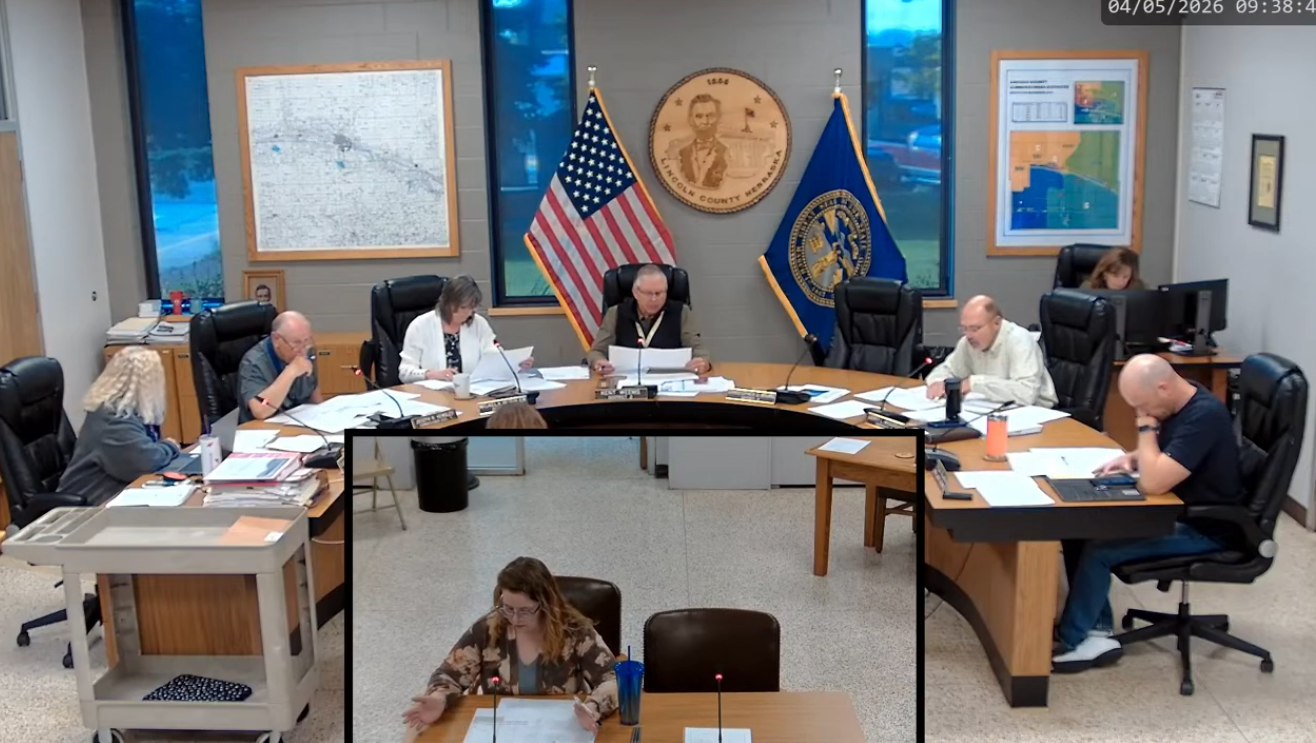
The Lincoln County Board of Commissioners reviewed a proposed increase in county employee health insurance costs and approved multiple road department equipment purchases during its May 4 meeting.
County officials received their first look at renewal figures from Blue Cross Blue Shield showing a proposed 14.65% increase in health insurance premiums for the coming year. Payroll Clerk Heidi Miller and county staff presented comparison spreadsheets outlining how the increase would impact county costs and employee contributions under several plan options.
Commissioners said the increase is higher than recent years, though officials noted industry averages are reportedly running above 20%. Staff also reviewed a new $3,500 health savings account plan option that could potentially be offered in the future. No formal action was taken on insurance plans during Monday’s meeting. The county benefits committee is expected to discuss the proposal further during the May 11 meeting.
The board also approved the purchase of a lightly used 2023 bottom dump trailer for the Lincoln County Roads Department at a cost of $61,990. Highway Superintendent Jason Schultz said the department had struggled to find new trailers available for delivery and located the demonstration unit through a dealer at a discounted price.
Commissioners additionally approved the purchase of a replacement truck box for one of the department’s trucks. The box and delivery costs totaled $24,149. Schultz said the current truck box had deteriorated to the point it could no longer be used to haul materials.
During reports and discussion, commissioners also heard information about regional conversations involving juvenile justice services and detention capacity in western Nebraska. Officials said counties continue exploring ways to improve services and reduce transportation and housing costs associated with juvenile placements in eastern Nebraska.
Commissioners also received community resource guides intended to help residents and individuals leaving incarceration connect with local services including transportation, housing assistance, mental health resources and other support programs.