


Nebraska Second State in the Nation to Restrict TANF purchases
Press Release
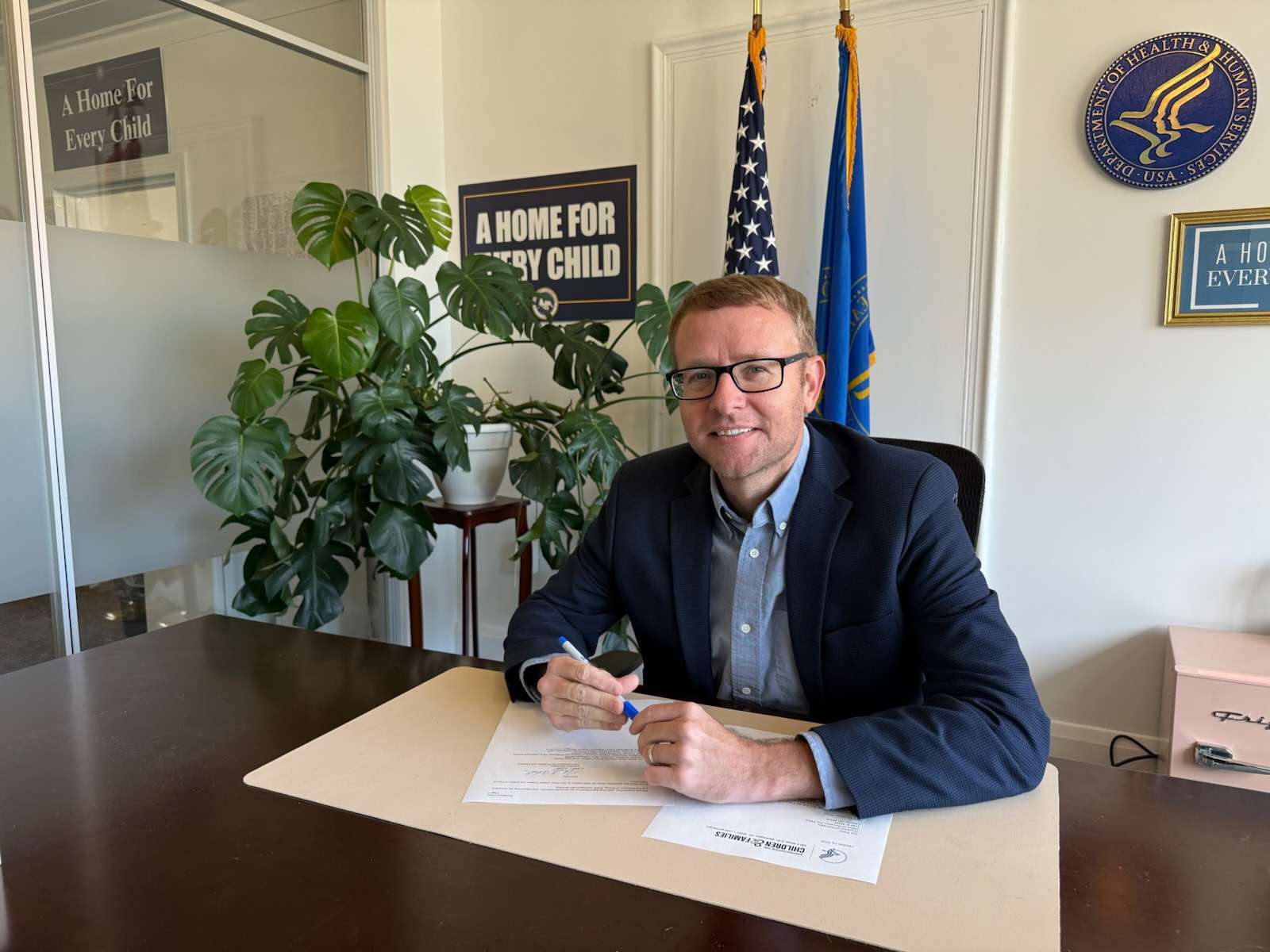
Lincoln, NE – Nebraska has received federal approval of its plan amendment to restrict inappropriate and non-essential purchases with Temporary Assistance for Needy Families (TANF) Aid to Dependent Children (ADC) cash assistance, marking a major step forward in Gov. Jim Pillen’s efforts to protect taxpayer dollars and ensure public assistance supports families’ basic needs.
The Administration for Children and Families (ACF) notified Nebraska on October 13 that its State Plan Amendment (SPA) was complete, just four days after Pillen issued an executive order directing the Nebraska Department of Health and Human Services (DHHS) to pursue the restrictions, a rapid turnaround.
Nebraska is the second state in the nation to take this step, establishing a model for other states seeking to strengthen safeguards on public assistance funds.
“Taxpayer dollars should help families meet their basic needs, become self-sufficient and build a better future, not fund frivolous purchases,” said Gov. Jim Pillen. “Nebraska is leading the way in making sure government assistance is used responsibly and for its intended purpose. I appreciate the Trump administration’s swift response and partnership. This record turnaround reflects our strong relationship and our shared commitment to protecting taxpayers while ensuring families receive assistance where they need it most.”
The amendment follows Pillen’s executive order issued Friday, October 9, and a subsequent DHHS submission amending Nebraska’s 2024 Workforce Innovation and Opportunity Act (WIOA) Combined State Plan. Because the combined plan incorporates Nebraska’s TANF state plan, a separate TANF plan submission is not required.
In a letter to the Governor, ACF Assistant Secretary Alex J. Adams commended Nebraska’s leadership in advancing restrictions on inappropriate, luxury, and non-essential purchases.
“We particularly thank Nebraska for the state’s leadership in advancing common-sense restrictions on the use of TANF cash assistance for inappropriate, luxury, and non-essential purchases,” Adams wrote. “This safeguards taxpayer resources and helps ensure that TANF Electronic Benefit Transfer (EBT) funds are used appropriately.”
Under the executive order, the following purchases will be prohibited using TANF funds:
- Tobacco, nicotine, vaping, and other associated products;
- Drugs, intoxicants, and related products;
- Pornography, sexually explicit materials, and adult-oriented goods or services;
- Entertainment goods, subscriptions, and services such as entertainment tickets, theme parks, and subscriptions/memberships;
- Body art, body piercings, cosmetic services, and luxury items such as tattoos, spa services, and tanning;
- Psychic, fortune-telling, and divination goods or services;
- Political contributions;
- Lottery tickets and entries, sports wagers, and bets;
- Music, video, and gaming streaming subscriptions;
- Video games, in-game currency, downloadable entertainment content, and virtual goods;
- Jewelry and luxury watches; and
- Cash withdrawals will only be permitted through cash-back transactions at SNAP‑authorized retailers or at financial institutions.
“This plan, approved in record time by ACF, is a step toward ensuring we are using taxpayer dollars the right way,” Pillen said. “Now, we can focus on providing families assistance where they need it most.”
Pillen has directed DHHS to begin implementation immediately.
TANF ADC is a federal program that provides temporary financial assistance to low-income families with children to help cover basic needs such as food, clothing, shelter, and other necessities. Recipients also participate in workforce engagement activities while receiving benefits. Qualified families receive benefits through a prepaid debit card or direct deposit into a bank account.
“DHHS is committed to implementing these changes as quickly as possible,” said Office of Economic Assistance (OEA) Director Barbara Lacina. “This is a step in the right direction to ensure the health, safety, and stability of our families while remaining fiscally responsible.”
For more information about Nebraska’s TANF program, visit https://dhhs.ne.gov/Pages/TANF.aspx.